South Africa · Wildlife & national parks · Big Five, whales, penguins
South Africa is one of the easiest places in Africa to see the Big Five — on good roads, often on your own, and at prices that range from a public rest-camp bungalow to a five-star private lodge. Here are the parks that matter, the honest differences between them, malaria, the best seasons, and the uncomfortable subjects: poaching, fences and wildlife "experiences" you should avoid.
Search our Network. Start here.
Founded as the Sabie Game Reserve in 1898 and proclaimed a national park in 1926, the Kruger covers almost two million hectares in Mpumalanga and Limpopo — and the people who lived there, among them the Makuleke community, were removed to make way for it; part of their land was returned after 1994. Today it has lion, leopard, elephant, buffalo and rhino, more than 500 bird species, and a network of tarred and gravel roads with fenced rest camps run by South African National Parks (SANParks).
Along the Kruger's western edge, private reserves such as Sabi Sand, Timbavati and Klaserie share open, unfenced borders with the park. They offer guided drives in open vehicles, off-road tracking and walking safaris — and leopard sightings that are hard to beat. They are also expensive, and the experience can feel staged when several vehicles crowd around one animal. Ask lodges how many vehicles they allow at a sighting.
A Big Five park inside an ancient volcanic crater — ideal for a short safari or families.
Madikwe on the Botswana border and the Waterberg reserves — big game without the crowds.
Hundreds of elephants and, in the private reserves around it, the rest of the Big Five.
The Kruger and northern KwaZulu-Natal are low-risk malaria areas, highest in the rainy summer months. Ask a travel doctor about prevention.
Hluhluwe-iMfolozi, one of Africa's oldest reserves, is where the southern white rhino was saved from extinction in the 20th century. iSimangaliso Wetland Park, a UNESCO site, links lakes, swamps, forests and coral reefs with hippos, crocodiles and, from November to March, nesting turtles.
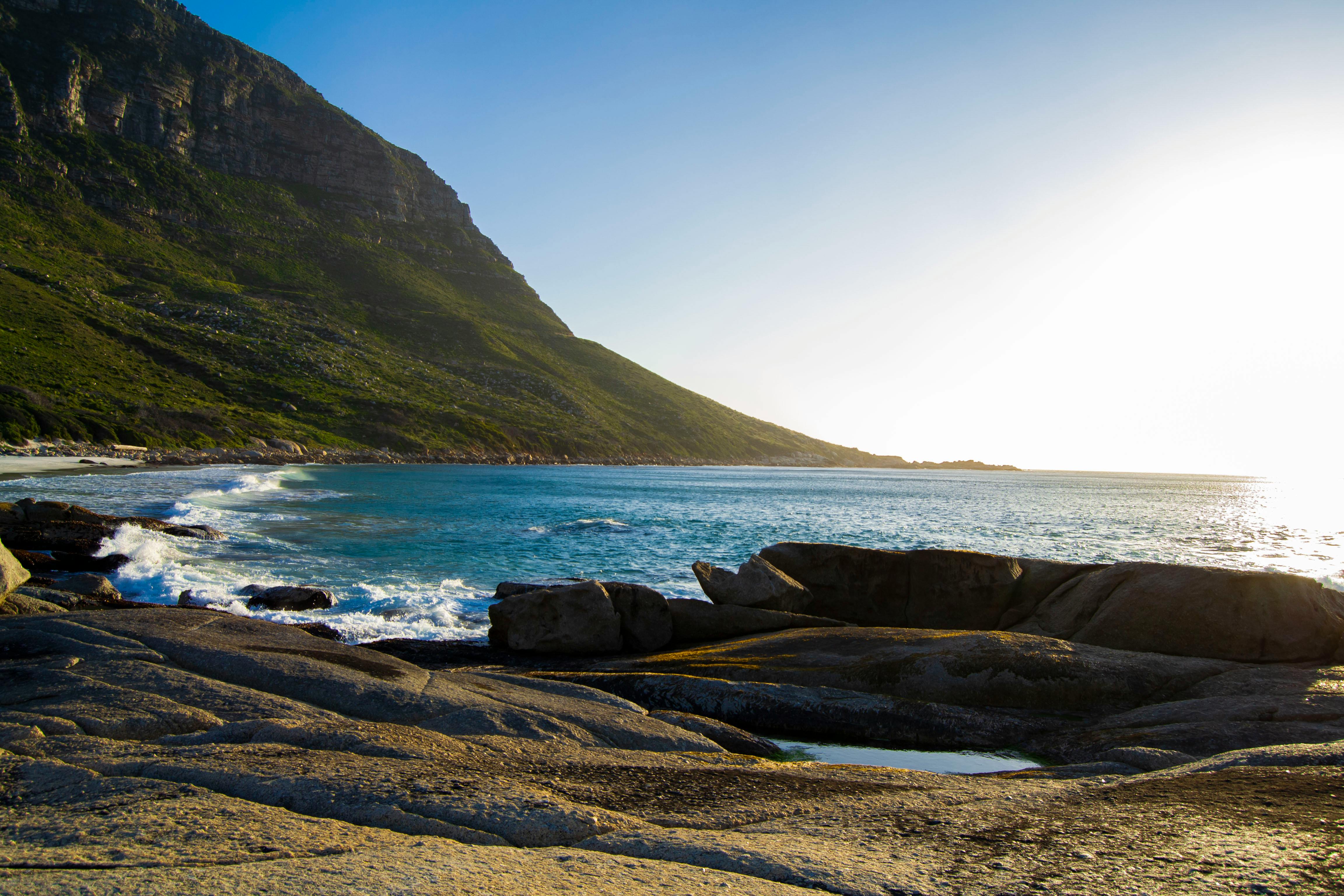
The Kgalagadi Transfrontier Park, shared with Botswana, has black-maned Kalahari lions and red dunes; Table Mountain National Park protects the unique fynbos plant kingdom; the Drakensberg has bearded vultures and eland among the rock art; and Namaqualand bursts into flower after the winter rains. Continue north-west into the deserts of Namibia.
Poaching: South Africa holds most of the world's remaining rhinos and has lost thousands to
poachers over the past fifteen years. Do not post photos with location tags of rhinos.
Avoid: cub petting, "walking with lions" and lion-cub volunteering — these animals often end
up in canned hunting or the bone trade. The South African government has announced it will end captive
lion breeding.
Fences: many smaller reserves are fenced and stocked; that is not a scandal, but it is not
true wilderness either.
Pilanesberg and Kruger safaris from Johannesburg, penguins and the Cape Peninsula from Cape Town. Entrance fees are included in the tour price. Tips for guides, rangers and trackers are not included, but they are welcome.
Tour links are affiliate links: if you book, we may earn a small commission at no extra cost to you.
Page updated . Park rules and fees change — check SANParks and the reserves directly. All text © Remo Kurka.